Live Well. Build Smart.
Search the blog...

Why Weight Loss Feels Harder After 40 (And What Actually Helps)
If you've noticed that the things you used to do to manage your weight aren't working quite the same way anymore, you're not imagining it.
Maybe you're eating similarly to how you always have. Maybe you're exercising, trying to make healthier choices, and still wondering why the scale isn't moving.
The truth is, our bodies change during midlife, and understanding those changes can help us make better decisions about how to support them.
The good news? You don't necessarily need a more restrictive diet or a more intense workout routine.
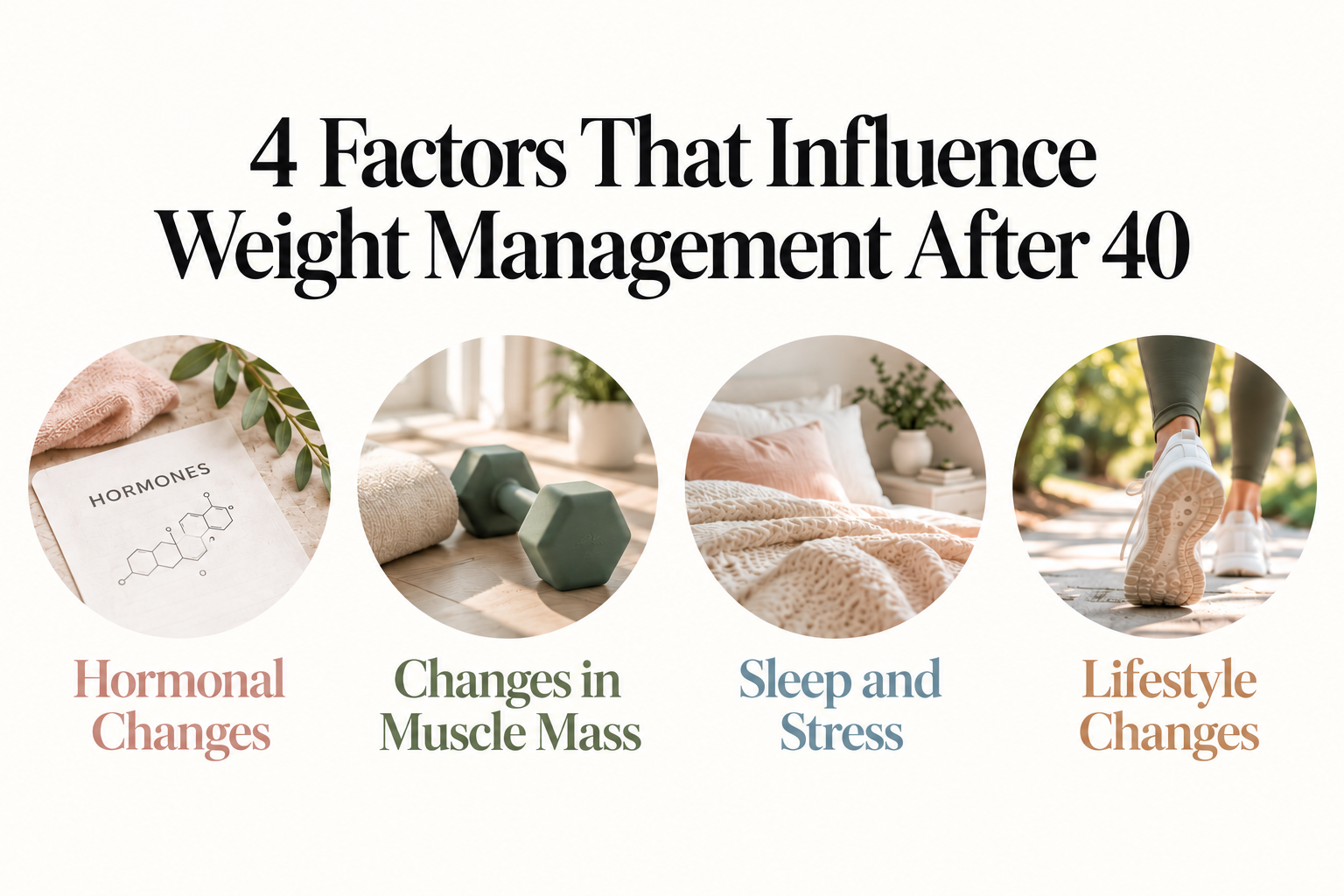
What's Changing in Your Body After 40?
There's no magical switch that flips on your 40th birthday. But several changes can happen around the same time.
1. Hormonal Changes
During perimenopause and menopause, estrogen levels fluctuate and eventually decline.
These changes can influence where your body stores fat, particularly around your abdomen. They may also affect sleep and other factors that influence weight management.
Hormones are part of the picture, but they're not the entire story.
2. Changes in Muscle Mass
As we age, we tend to lose muscle unless we're actively working to maintain it.
Muscle requires energy even when we're resting, so changes in muscle mass can influence how many calories our bodies use throughout the day.
This is one reason strength training becomes increasingly important in midlife.
3. Sleep and Stress
If you've been dealing with disrupted sleep, night sweats, or increased stress, you know how much those things can affect your day.
Poor sleep can influence hunger, appetite, food choices, and energy levels. And when you're exhausted, finding the motivation to exercise or prepare balanced meals can feel much harder.
It's all connected.
4. Lifestyle Changes
Sometimes the biggest changes aren't hormonal.
We may spend more time sitting, move less throughout the day, or have routines that look completely different from when we were younger.
Small changes in daily movement and eating habits can add up over time.
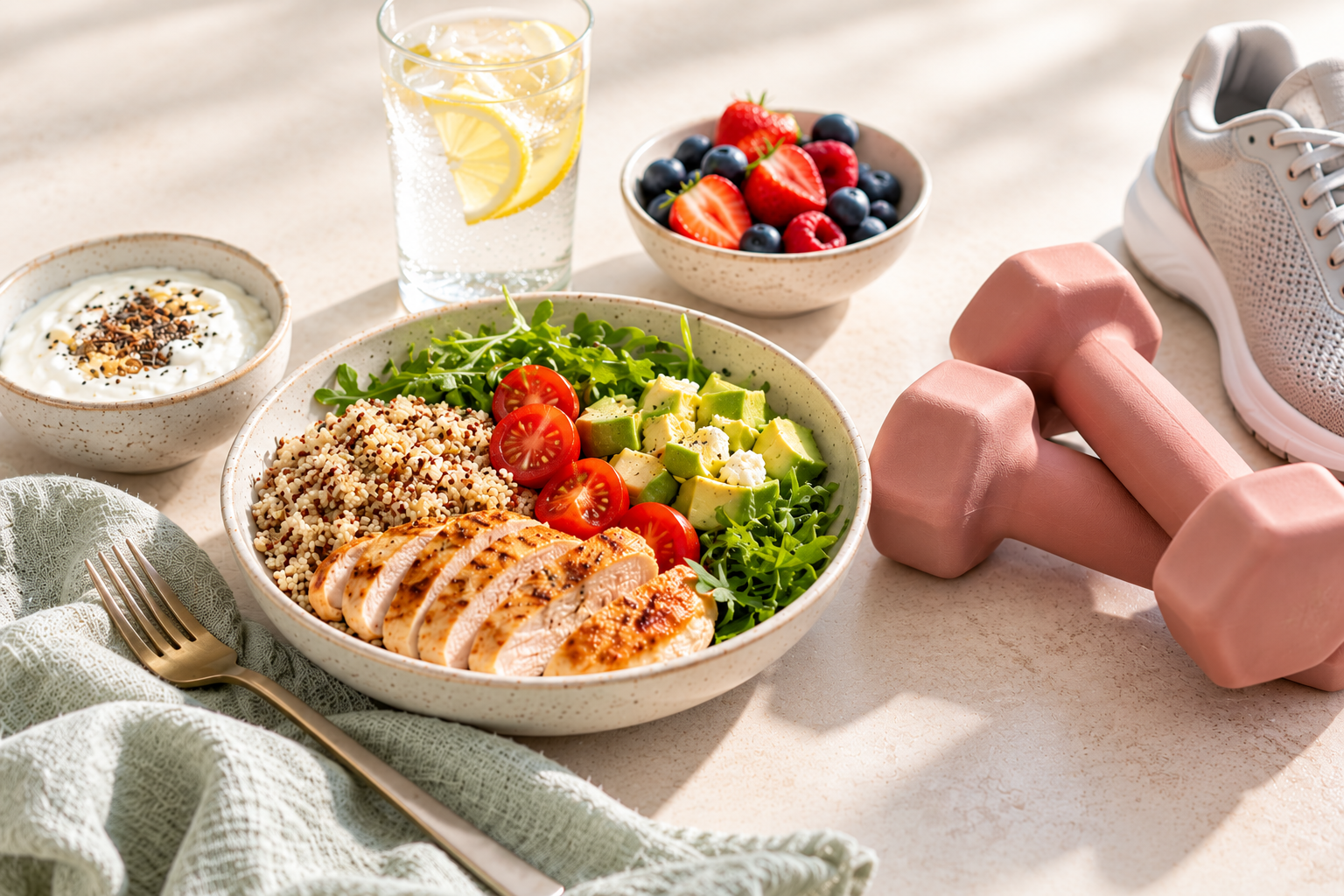
5 Habits That Can Support Weight Management After 40
Rather than focusing on doing everything perfectly, I like looking at the habits that make the biggest difference over time.
1. Prioritize Protein
Protein helps support muscle maintenance and can make meals more satisfying.
Try including a source of protein with each meal, whether that's eggs, Greek yogurt, chicken, beans, tofu, or another option you enjoy.
Your individual protein needs depend on factors like body size, activity level, and health.
2. Make Strength Training a Priority
You don't have to spend hours in the gym.
Resistance bands, dumbbells, machines, and bodyweight exercises can all help you build or maintain muscle.
For many adults, strength training at least twice per week is a useful starting goal.
3. Move More Throughout the Day
Structured workouts are wonderful, but everyday movement matters too.
Walking after meals, taking the stairs, gardening, or simply getting up more frequently can help increase your overall activity.
Find ways to move that fit your lifestyle.
4. Protect Your Sleep
Sleep isn't just about feeling rested.
Consistent, quality sleep supports energy, appetite regulation, and your ability to maintain healthy routines.
If you're frequently waking during the night, I recently shared an article about why sleep changes after 40 and five evening habits that may help.
Read: Better Sleep After 40 — Why You're Waking Up at Night & 5 Habits That May Help
5. Focus on Consistency, Not Perfection
You don't need to eliminate every food you enjoy or follow an extreme exercise program.
A sustainable approach to weight management generally includes balanced nutrition, regular activity, adequate sleep, and habits you can maintain over time.
Progress may look different in midlife, and that's okay.
Is Your Metabolism Really Slowing Down?
We hear a lot about metabolism slowing down after 40.
But research suggests that, when accounting for body size and composition, average daily energy expenditure is relatively stable through much of adulthood until around age 60.
That doesn't mean weight management can't become more challenging in your 40s and 50s.
Changes in muscle mass, activity, sleep, hormones, and eating patterns can still influence your weight and body composition.
The takeaway: Your metabolism isn't necessarily broken. Your body may simply need a different approach than it did 20 years ago.
Looking for Additional Wellness Support?
Healthy habits are the foundation, but sometimes we want a little additional support as our bodies change during midlife.
One of the reasons I'm excited about natural peptides is how they're being explored for their ability to support specific functions in the body.
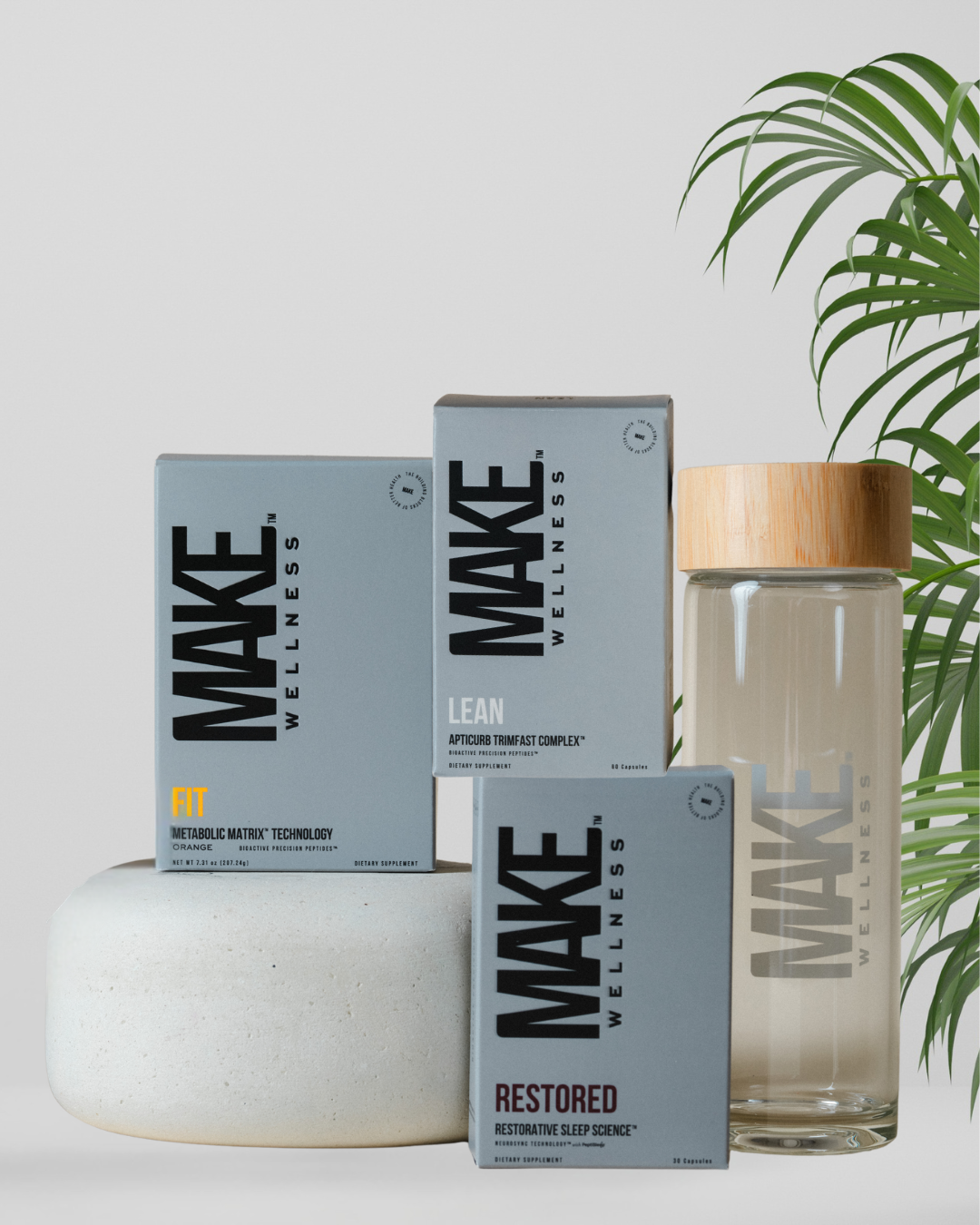
One of my favorite combinations is the MAKE Wellness Breakthrough Stack. It brings together three products designed to support different aspects of metabolic wellness:
LEAN— Supports healthy metabolism, appetite regulation, and fat metabolism.
FIT— Supports muscle health, strength, and recovery.
RESTORED— Supports restful sleep and overnight recovery.
What I love about this combination is that it takes a more comprehensive approach. Rather than focusing only on the number on the scale, it supports several areas that become especially important as we get older.
EXPLORE THE BREAKTHROUGH STACK →
Not sure which products are right for you? You can also take my quick wellness assessment to get product recommendations based on your individual goals.
These products are not intended to diagnose, treat, cure, or prevent any disease, and individual results may vary. This section contains affiliate links, and I may earn a commission from qualifying purchases.Remember, weight changes can have many causes, including medications and medical conditions. If you're experiencing unexplained weight gain or struggling despite consistent efforts, consider discussing it with your healthcare professional.


Live Well. Build Smart.
Simple wellness education for women
who are ready to feel like themselves again.
Ready to learn more? Grab the free guide.
contact
hello@teresehamilton.com
Location
Mesa, AZ
FOLLOW ALONG
important notes
This site contains affiliate links. I may earn a commission on purchase made through my links at no additional cost to you.
These statements have not been evaluated by the FDA. These products are not intended to diagnose, treat, cure, or prevent any diseases.
© Terese Hamilton , LLC | All Rights Reserved | Mesa, AZ
Privacy Policy | Terms of Use | Disclaimer