Live Well. Build Smart.
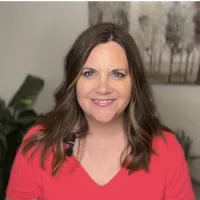
Welcome, I'm Terese Hamilton
Feel Like Yourself Again
After 40
Science-backed wellness education and bioactive peptides for women who want more energy, better sleep, and healthy aging.
Your body changes after 40—but that doesn't mean you have to settle for feeling less energetic, sleeping poorly, or struggling with your metabolism.
Start with trusted education, practical resources, and personalized guidance designed to help you feel your best.
Already know about peptides? → Shop the Make 3 Stack
Does Any of This Sound Familiar?
You are doing a lot of things right. And yet something still feels off.
If your body has felt different lately and you cannot quite explain why, you are not alone.
These are some of the most common things women tell me after 40 - and honestly most of them hit close to home for me too.
You wake up tired even after a full night of sleep
Your energy crashes hard by early afternoon
The weight that used to come off with a little effort just will not budge
Your middle feels different even though your habits have not changed much
You are losing muscle tone even though you are still active
Your joints feel stiffer and achier than they used to
You are forgetting words or losing your train of thought more often
Sleep is restless, light, or interrupted most nights
Your mood shifts in ways that feel out of character
You just do not feel like yourself anymore and you cannot put your finger on why
If you nodded at even two or three of those, keep reading.
There is a real reason women experience changes in energy, metabolism, sleep, and hormones after 40,
and understanding why is the first step toward feeling better.
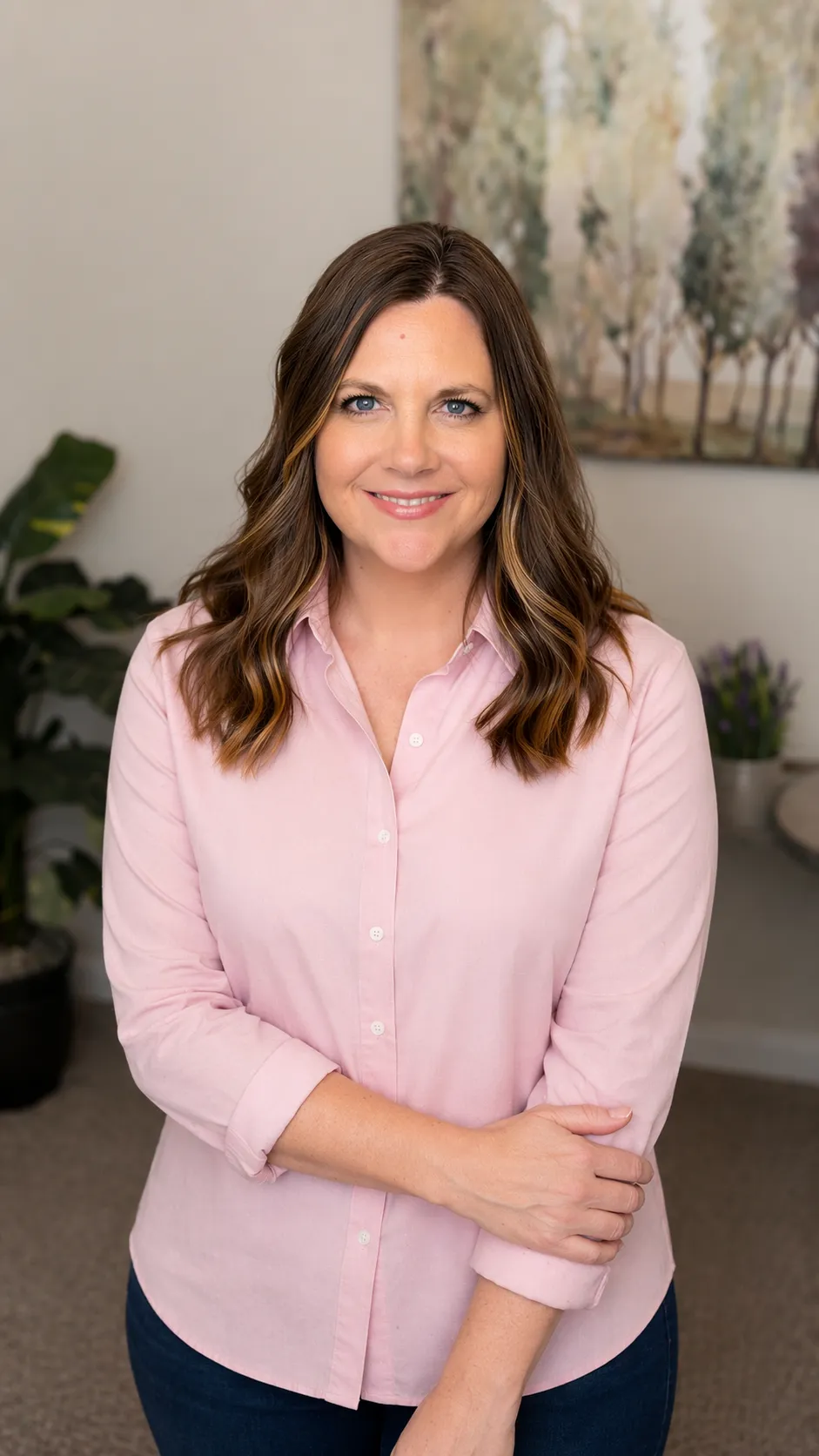
Hi, I'm Terese
Wellness Educator, helping women 40+ live well and build smart.
I have spent years in the wellness world teaching women how to take simple, practical steps toward better health. But that is only half of what I do. My husband I have run HamiltonArts – our marketing and design business – for over 20 years, and I bring both sides to my work: the heart of helping women live better, and the systems to help them build smarter.
Honestly though? Around 45 things started shifting for me personally in ways I was not prepared for.
Weight that would not budge no matter what I tried. Perimenopausal symptoms that seemed to come out of nowhere. Energy that just was not there the way it used to be. I had been in the wellness world for years and I still did not have good answers for what was happening in my own body.
So I went looking.
I am not standing here telling you I have it all figured out. I am a wellness educator and a 50 year old woman who is actively working on her own health, sharing what I am learning along the way, and bringing you with me on the journey.
That is exactly why I do this work
So What Are Bioactive Peptides?
When I started researching why my own body felt so different after 40, this is what I kept coming back to.
The simple explanation your doctor probably never gave you.
As we age our bodies naturally start producing fewer of the tiny signals that keep everything running smoothly. Energy, sleep, metabolism, muscle repair, hormones — all of it depends on constant communication happening inside your cells.
Bioactive peptides are natural compounds that support that communication. Think of them as tiny messengers that travel through your body telling your cells what to do and when to do it. When peptide levels are strong things work the way they should. When they decline you start to feel it.
The good news is this is not a mystery and it is not permanent. Once you understand what is actually happening you can start giving your body the support it needs.
That is exactly what I teach.
How Can I Help You Today?
Whatever you need right now, there is a place for you here.

I Want to Feel Better
Start with education. Download the free guide and learn exactly what bioactive peptides are, why your body needs them after 40, and how to get started simply and naturally.

I Want to Learn More
Join me for a free online class where I walk through everything in plain simple language. Ask questions, hear real stories, and leave with a clear picture of whether this is right for you.

I Want to Build Something
If you love what you are learning and want to build alongside it, I would love to walk you through how it works. Modern Affiliate and built for women who want more than a side hustle.
Feel the Difference in 90 Days
If you are ready to give your body the support it has been asking for, this is the place to begin.
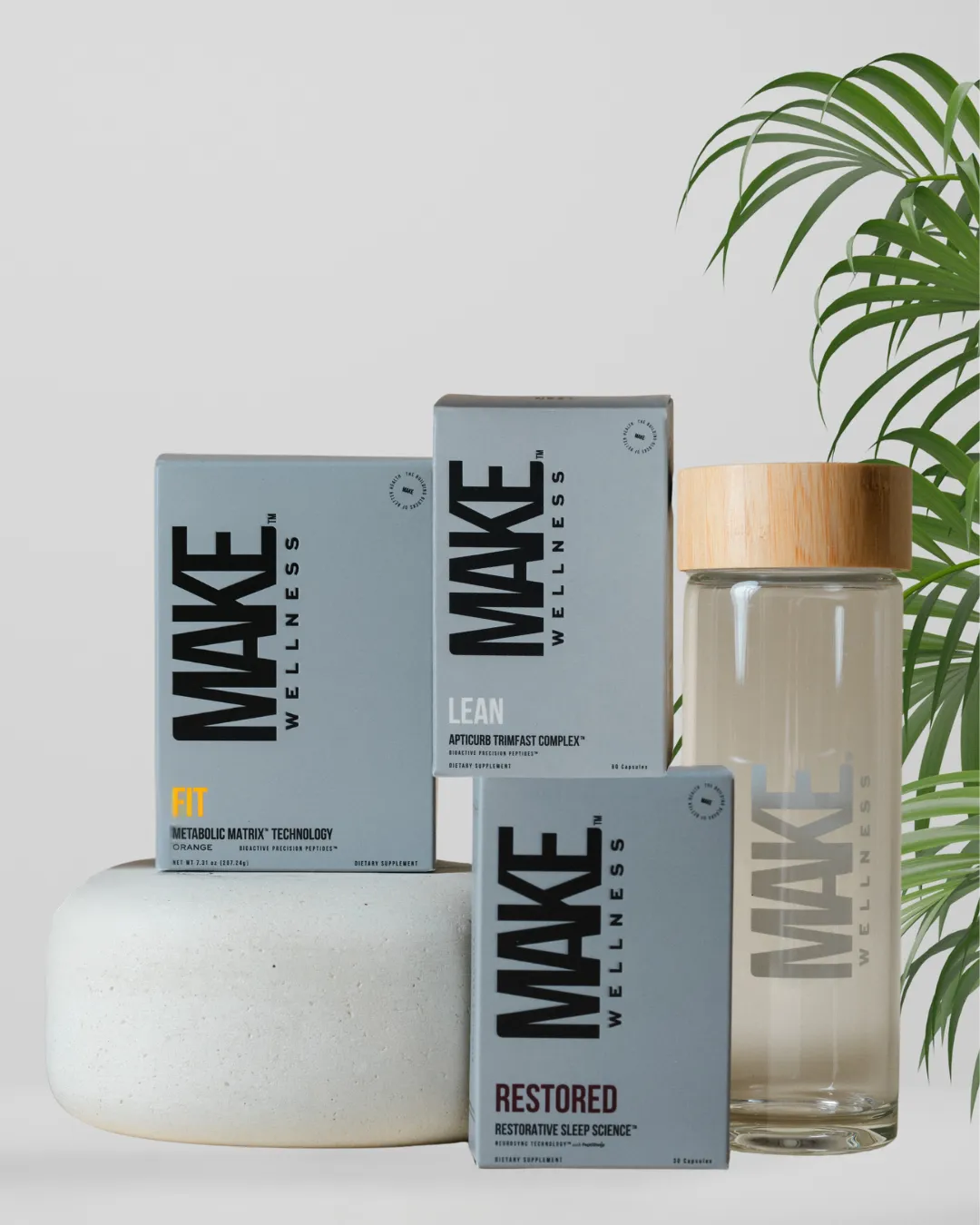
Make 3 Breakthrough Stack
90-day system
Make 3 Breakthrough Stack
Three Peptides. Three Habits. Three Months. - Real Change
This is the stack I recommend most for women who are just getting started. Three bioactive peptide products that work together as a complete system — addressing the things women over 40 tell me they struggle with most.
FIT - Supports muscle recovery, strength, and tone so your body stays strong and resilient.
LEAN - Supports healthy metabolism, reduces cravings, and helps your body manage weight more effectively.
RESTORED - Supports deep restorative sleep and cortisol balance so you wake up actually feeling rested.
$229.98
Save $59.99 vs buying individually
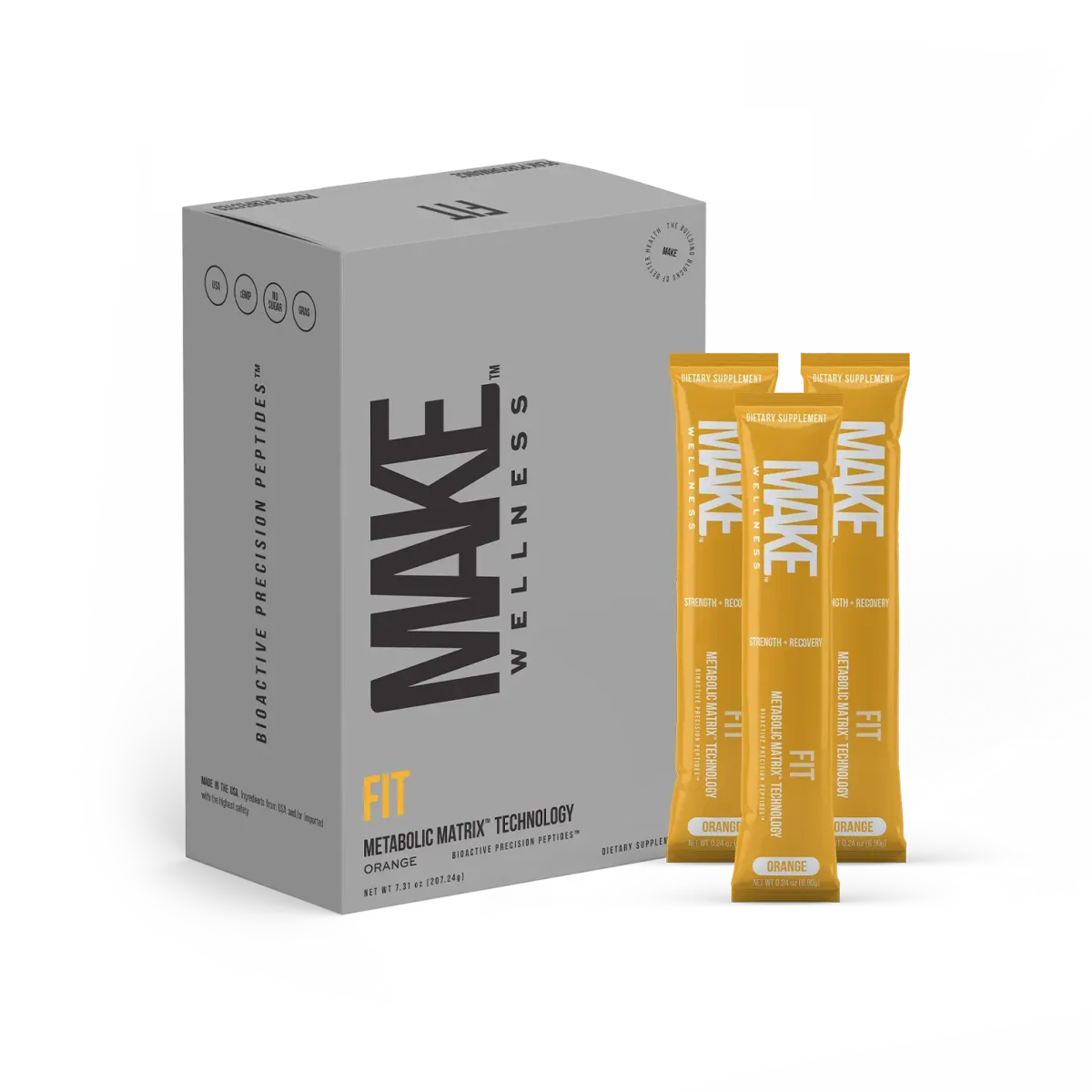
FIT
powered by Metabolic Matrix™ Technology
Promote Muscle Protein Synthesis
Promote Muscle Strength Recovery
Reduce Muscular Fatigue
Support Muscular Endurance
Support Healthy Aging Through NAD+
Encourage Bone Mineral Composition
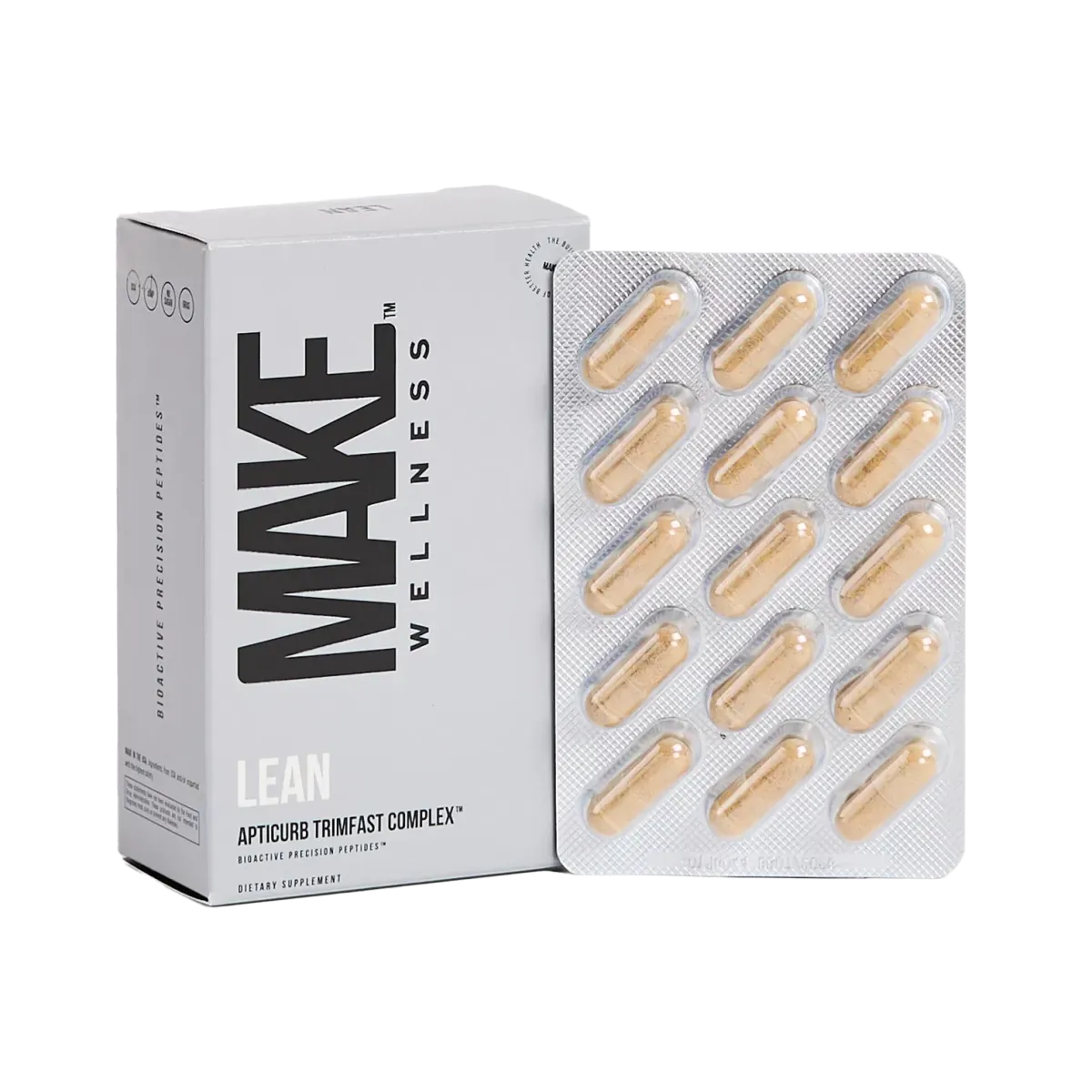
LEAN
Apticurb Trimfast Complex™
Decreases cravings
Enhances metabolic wellness
Helps the body convert fat to energy
Promotes healthy body composition and muscle maintenance
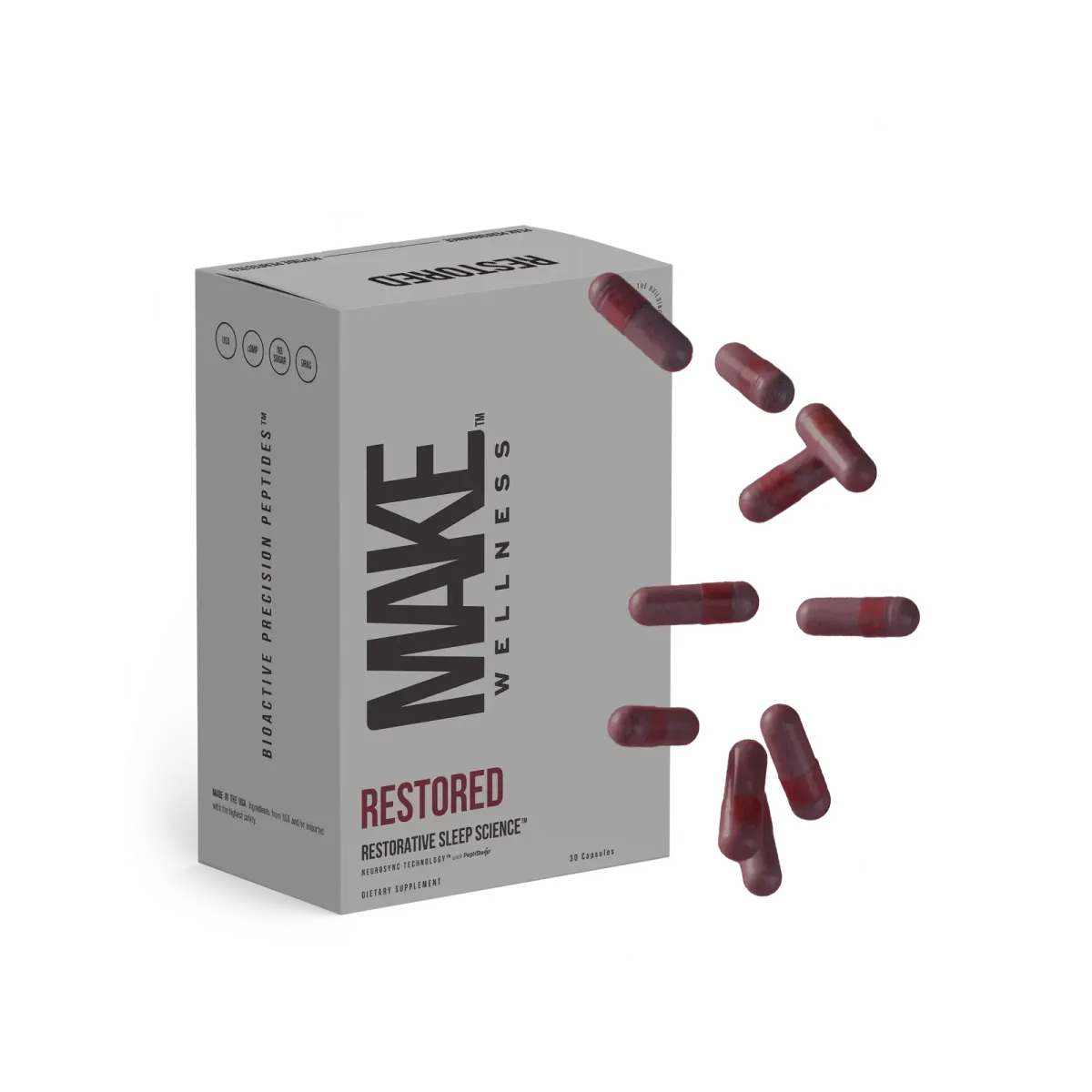
RESTORED
NeuroSync Technology™
RESTORED study participants reported deeper and higher-quality sleep, increased next-day productivity, and feeling restored.
72% of participants increased deep sleep*
68% of participants increased REM sleep*
20% more restored on waking*
19% higher next-day productivity*
*Internal study. Individual results may vary.
Real Women. Real Results.
Here is what happens when you give your body the right support.
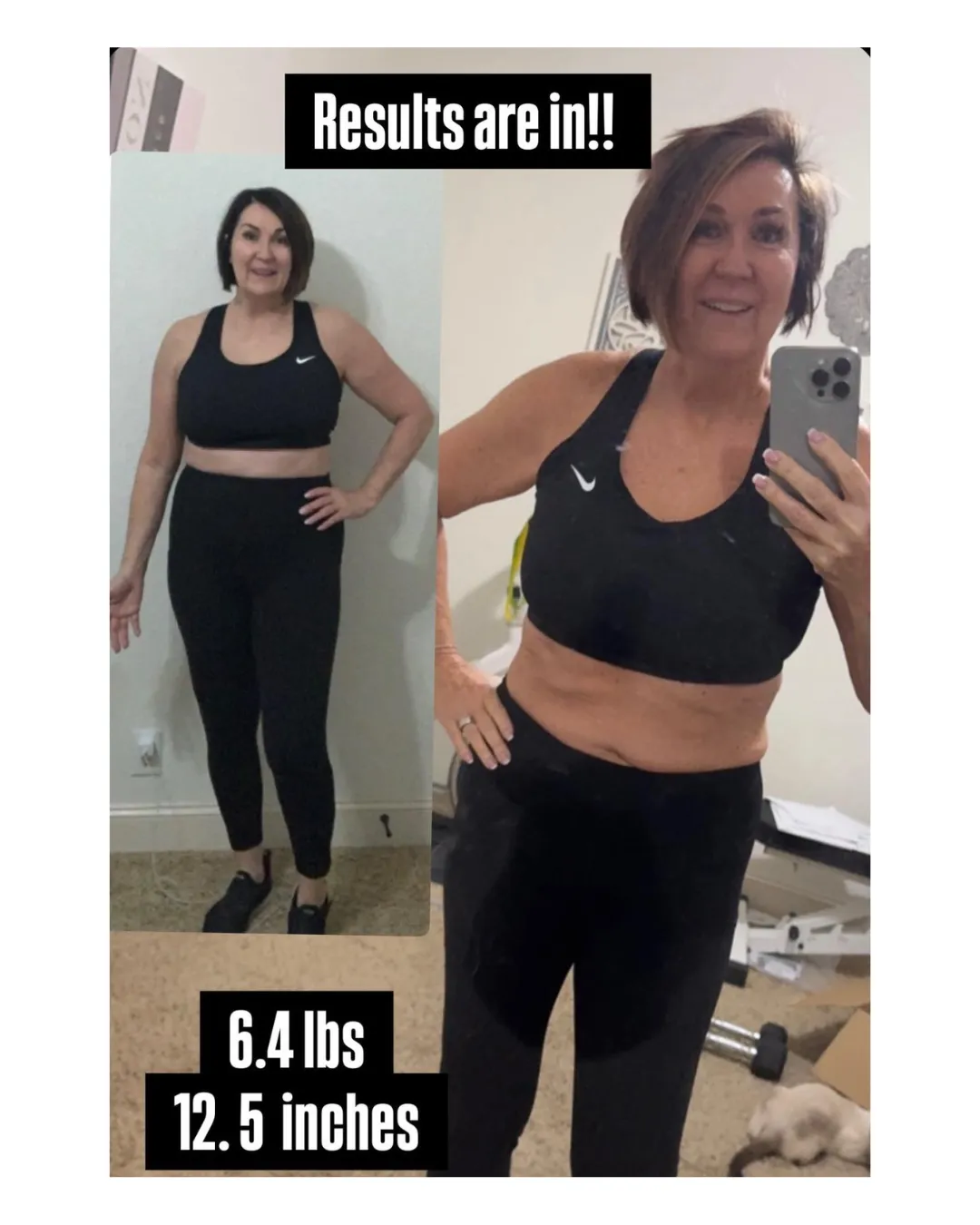
"I told myself when I started that I'd stay consistent and trust the process. Let me tell you... I am BLOWN AWAY.
The scale says I lost 6.4 pounds, BUT here's the real tea. I lost 12.5 INCHES off my body."
- Michelle B.

"I had heard about peptides for years, but I didn't want to go the injection route. I'm so happy I found natural peptides! A year later and I'm 68 pounds down, my energy is better and I feel strong.
- Meg W.
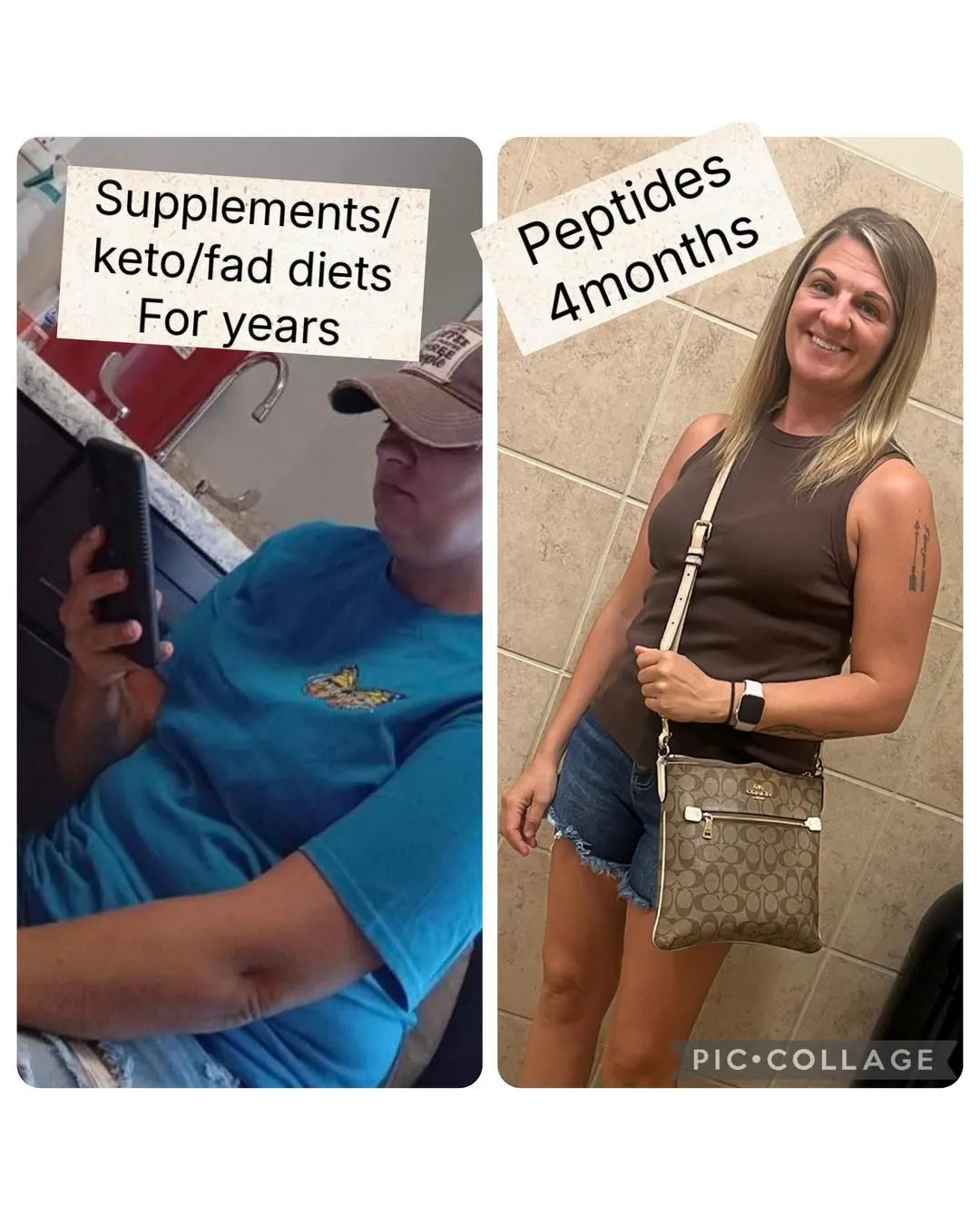
"My inflammation is way down, my weight is down by 30lbs, my waist has shrunk big time, BuT most importantly, my mental health has improved, Brain fog is better, focus, sleep, energy is all improved."
- Stephanie H.
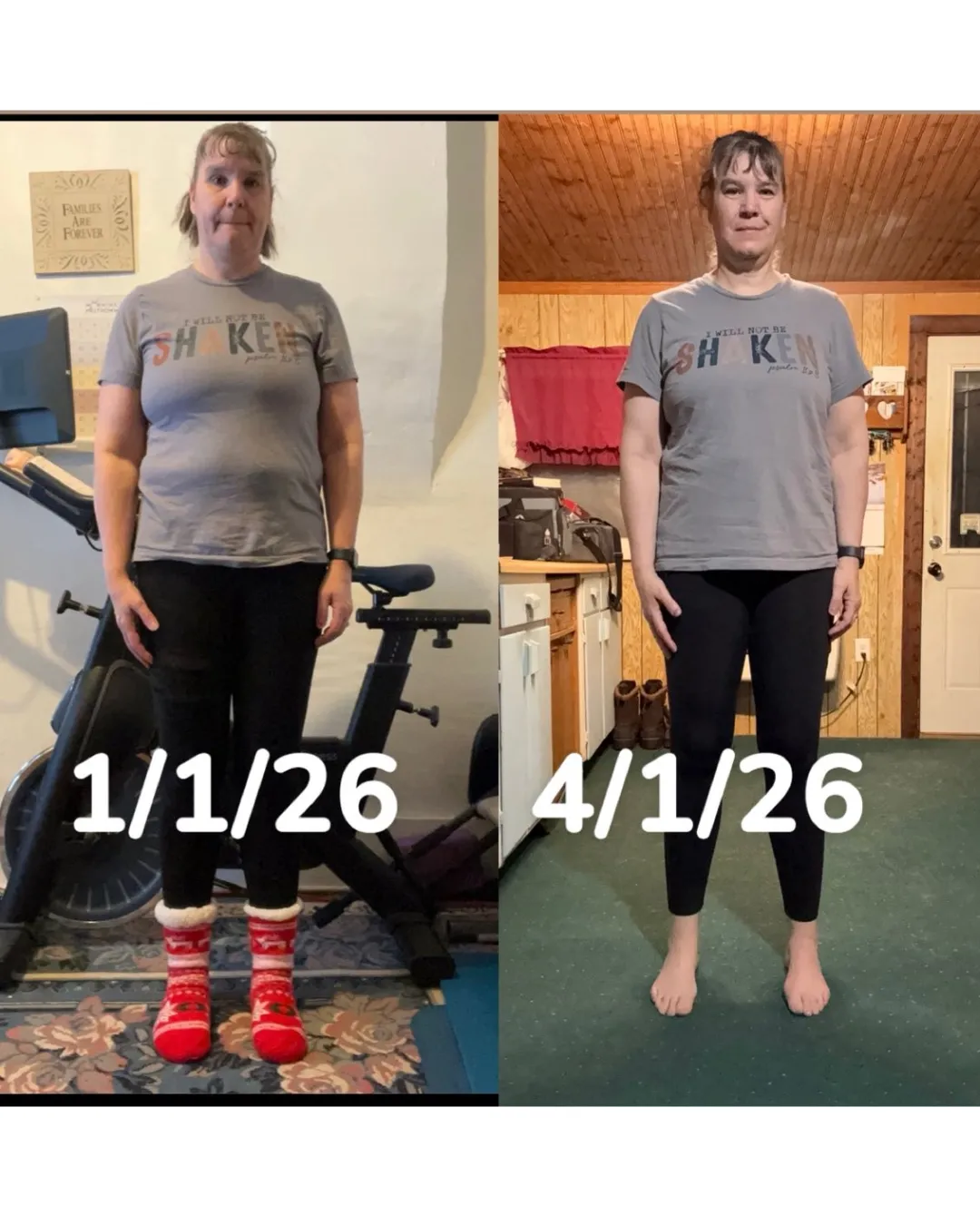
"90 days in and feeling amazing!
I am down a little over 13 pounds, I feel amazing, and sleeping so much better at night."
- Audrey R.
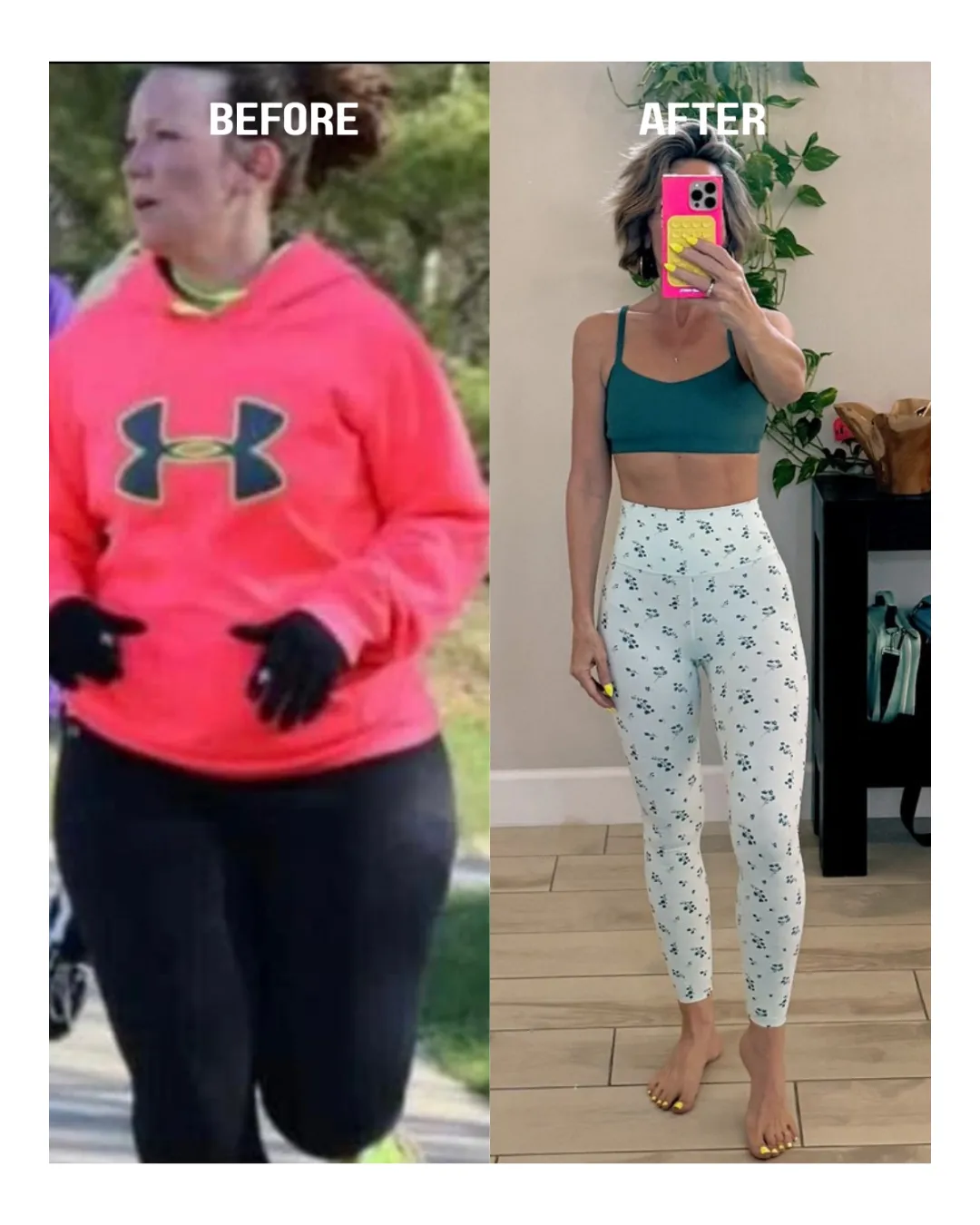
"What has made the biggest difference in my life is the sharpness in my mind, the confidence, showing up in family photos without hiding. Being the main character of my own life again."
- Martha K.
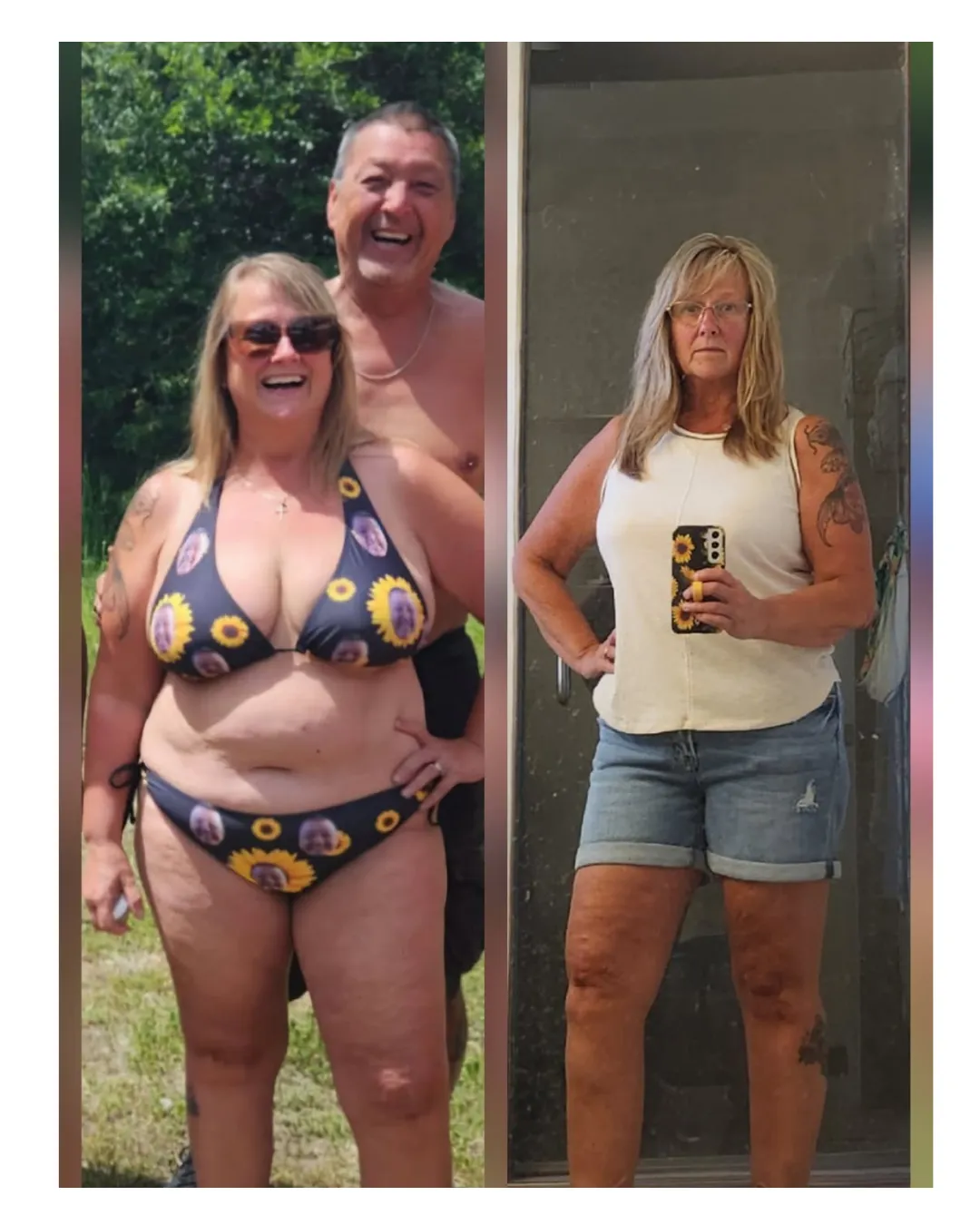
"One year apart. 28 pounds down and MANY MANY inches. Feeling and sleeping GREAT! Peptides have made all the difference - being consistent and focusing a bit more on protein and cutting back on my wine a bit. That's it."
- Tanja H.
Individual results may vary. These statements have not been evaluated by the FDA. These products are not intended to diagnose, treat, cure, or prevent any disease.
Learn More on the Blog
From bioactive peptides to energy, sleep, and healthy aging — simple education for women who want real answers.
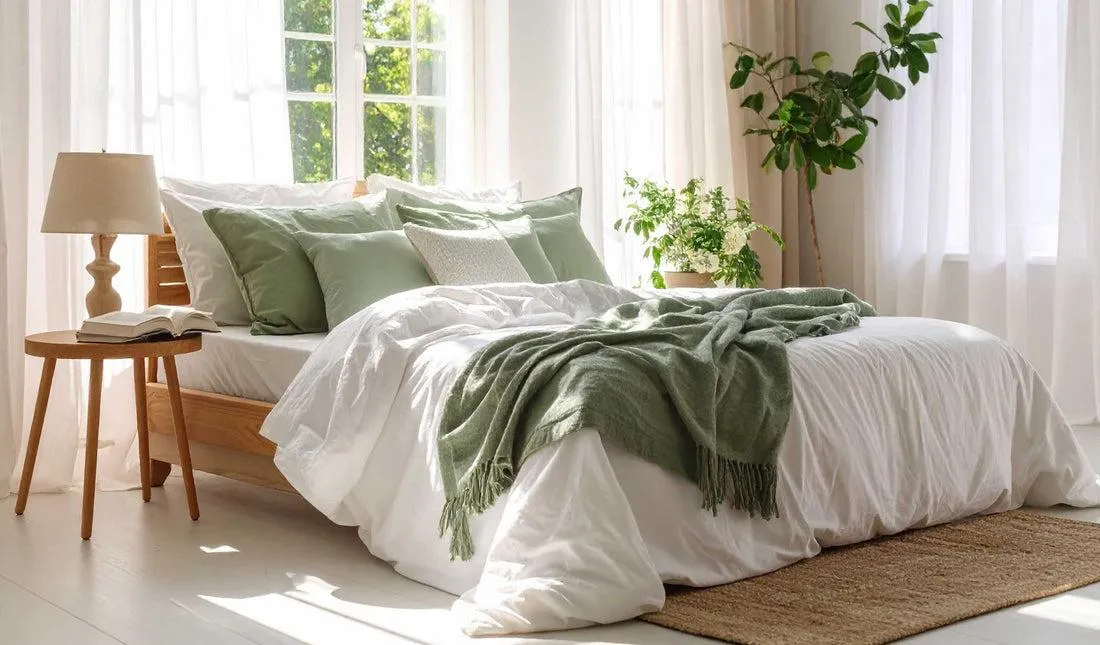
Better Sleep After 40
Why You're Waking Up at Night & 5 Habits That May Help
If you're falling asleep just fine but waking up at 2 or 3 AM wondering why your brain suddenly thinks it's morning, you're definitely not alone.
Sleep changes are one of the most common complaints women experience during perimenopause and menopause. And while we often blame stress or a busy schedule, there's more happening beneath the surface.
The good news? Understanding what's disrupting your sleep—and making a few simple adjustments—can help you work toward more restful nights.
Why Do Women Wake Up at 3 AM?
If you've noticed that you're waking up in the middle of the night more frequently since entering your 40s, hormones may be part of the picture.
During perimenopause, estrogen and progesterone levels fluctuate. These hormones influence several processes involved in sleep, including body temperature regulation and sleep quality.
As hormone levels change, you may notice:
More nighttime awakenings, even when you fall asleep easily.
Night sweats or temperature changes that interrupt your sleep.
Increased sensitivity to stress, making it harder to settle back down.
Lighter, less refreshing sleep, leaving you tired the following morning.
And while 3 AM seems to be a particularly popular wake-up time, there's nothing uniquely hormonal about that exact hour. Sleep naturally cycles between lighter and deeper stages throughout the night, making awakenings possible at different times.
Hormones aren't the only possible cause, either. Caffeine, alcohol, stress, certain medications, and sleep disorders can also contribute.
5 Evening Habits for Better Sleep After 40
You don't necessarily need to overhaul your entire routine. Sometimes small, consistent changes make the biggest difference.
1. Create a Consistent Sleep Schedule
Going to bed and waking up around the same time each day helps regulate your body's internal clock.
Try to keep your wake-up time relatively consistent, even on weekends.
2. Give Yourself Time to Wind Down
Your brain needs an opportunity to transition from the demands of the day into rest.
Spend the last 30–60 minutes before bed doing something calming, such as reading, stretching gently, or listening to relaxing music. Dim the lights and step away from stressful tasks.
3. Keep Your Bedroom Cool
Body temperature plays an important role in sleep, especially if you're experiencing night sweats.
A cool, dark, comfortable bedroom can help reduce unnecessary disruptions. Breathable bedding and lightweight sleepwear may also make a difference.
4. Pay Attention to Evening Habits
That afternoon caffeine may still be affecting you at bedtime.
Consider limiting caffeine later in the day and avoiding large meals close to bedtime. If you frequently wake up needing the bathroom, adjusting how much you drink immediately before bed may also help.
5. Don't Fight Being Awake
We've all done it: looked at the clock, calculated how many hours of sleep we have left, and immediately felt more stressed.
If you're awake for a while and feeling frustrated, get out of bed briefly and do something quiet in dim lighting. Return when you feel sleepy.
The goal is to help your brain continue associating your bed with sleep rather than frustration.
Don't Forget About Your Daytime Routine
Better sleep doesn't begin at bedtime.
Getting natural light in the morning, moving your body regularly, and managing daily stress can all help support a healthier sleep-wake cycle.
And if your sleep problems are persistent, particularly if you snore loudly, wake up gasping, or experience significant daytime fatigue, it's worth discussing them with your healthcare provider. Menopause-related symptoms, insomnia, and sleep apnea may require more than lifestyle adjustments.
Looking for Additional Wellness Support?
Healthy sleep is about more than the number of hours you spend in bed. It's also connected to how you feel, function, and recover throughout the day.
I'm passionate about helping women explore simple, personalized ways to support their wellness during midlife.
If you're curious about natural peptide wellness products, I've got a quick assessment that helps match product recommendations to your individual goals, including sleep, energy, stress support, and more.
The quiz provides wellness product recommendations, not a medical diagnosis or treatment for sleep disorders. This is an affiliate link, and I may earn a commission from qualifying purchases.

Live Well. Build Smart.
Simple wellness education for women
who are ready to feel like themselves again.
Ready to learn more? Grab the free guide.
contact
hello@teresehamilton.com
Location
Mesa, AZ
FOLLOW ALONG
important notes
This site contains affiliate links. I may earn a commission on purchase made through my links at no additional cost to you.
These statements have not been evaluated by the FDA. These products are not intended to diagnose, treat, cure, or prevent any diseases.
© Terese Hamilton , LLC | All Rights Reserved | Mesa, AZ
Privacy Policy | Terms of Use | Disclaimer